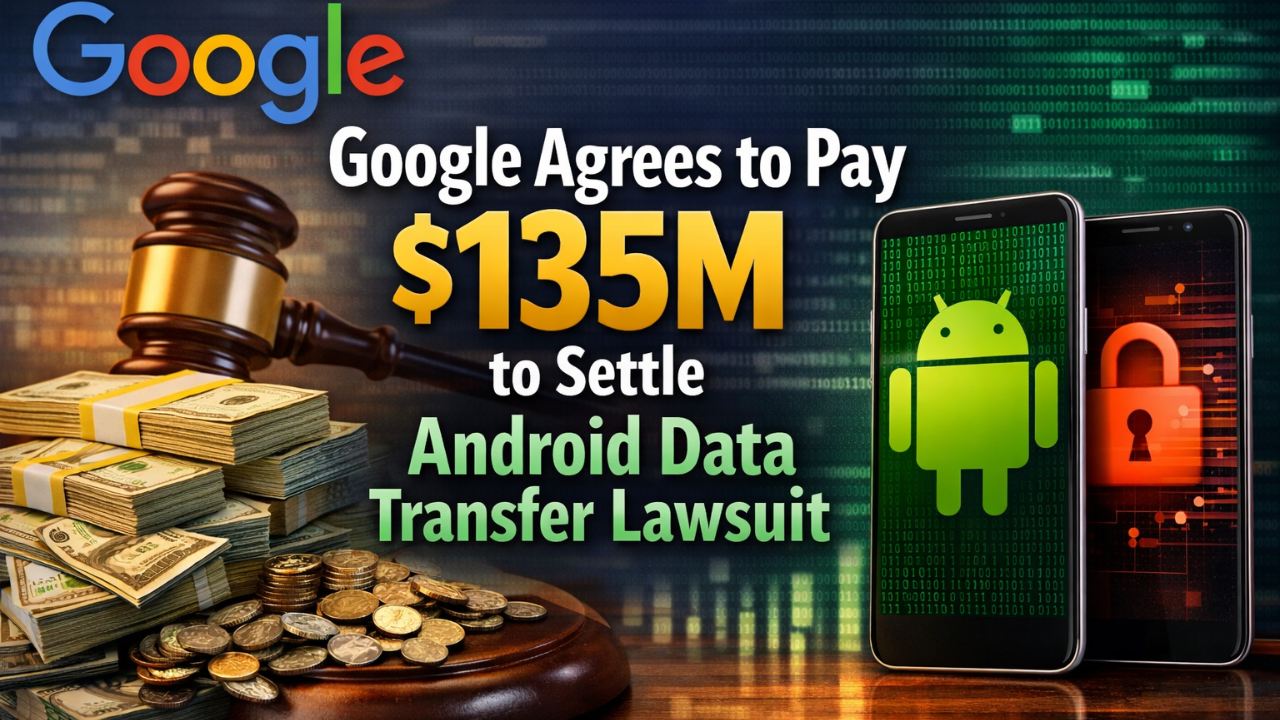
Google has reached a major agreement to pay $135 million to resolve a class action lawsuit over unauthorized collection of cellular data from Android users. The settlement addresses claims that the company gathered mobile data without permission, even when apps were closed or screens locked. Filed in a California federal court, this deal marks one of the largest payouts in a data conversion case, offering relief to millions affected since late 2017.
Background of the Privacy Dispute
The lawsuit stemmed from accusations that Google’s Android operating system secretly tracked users’ cellular data usage. Plaintiffs argued this data, bought from carriers, fueled product improvements and targeted ads, amounting to wrongful control over personal property. Despite denying any misconduct, Google opted to settle to avoid prolonged litigation, a common move in tech privacy battles.
Affected users spanned Android device owners from November 12, 2017, onward. Lawyers for the plaintiffs hailed the $135 million as unprecedented for conversion claims, with individual caps at $100 per claimant. Potential damages could have hit over $1 billion if the case went to trial.
Settlement Terms and User Protections
Under the agreement, Google commits to seeking explicit consent before transferring data during Android phone setups. The company will also simplify toggles for users to block such transfers and update its Google Play terms to disclose these practices clearly. These changes aim to empower users with better control over their privacy moving forward.
This isn’t Google’s first privacy reckoning; past settlements include billions for location tracking and biometric data issues. The move reflects growing scrutiny on Big Tech’s data practices amid evolving regulations like state privacy laws.
Key Settlement Details
| Aspect | Details |
|---|---|
| Total Payout | $135 million to class members |
| Eligible Users | Android owners since November 12, 2017 |
| Individual Cap | $100 per claimant |
| Court Location | San Jose, California federal court |
| Approval Status | Pending judge’s review |
| Google Admission | No wrongdoing acknowledged |
| New Safeguards | Consent prompts, easier toggles, updated disclosures |
Implications for Android Users
Class members stand to receive automatic payments without needing to file claims, streamlining the process. This settlement could set precedents for how mobile giants handle background data collection. Users should monitor court notices for distribution details once approved.
Experts see this as a win for consumer advocacy, pressuring companies to prioritize transparency. It underscores the financial risks of opaque data practices in a post-GDPR, post-CCPA world.
Google’s Broader Privacy Challenges
The tech giant faces ongoing lawsuits over app tracking and ad personalization. Recent regulatory probes in Europe and the U.S. amplify calls for stricter oversight. Google maintains its practices comply with laws, but settlements like this signal shifting tolerances.
For users, reviewing app permissions and data settings remains crucial. Tools like Android’s privacy dashboard help monitor and restrict sharing.
What Happens Next
A judge must greenlight the preliminary deal, likely after a fairness hearing. If approved, funds distribution could begin within months. Android users fitting the criteria will get notices via email or mail. Meanwhile, Google rolls out promised changes to foster trust.
This case highlights the power of collective action against corporate overreach. Staying informed helps everyone navigate the digital landscape smarter.
FAQs
Q1: Who qualifies for the settlement?
Android users since November 12, 2017.
Q2: Does Google admit fault?
No, it denies wrongdoing.
Q3: When will payments arrive?
After court approval, likely months away.
Disclaimer
The content is intended for informational purposes only. Check official sources; our aim is to provide accurate information to all users.