
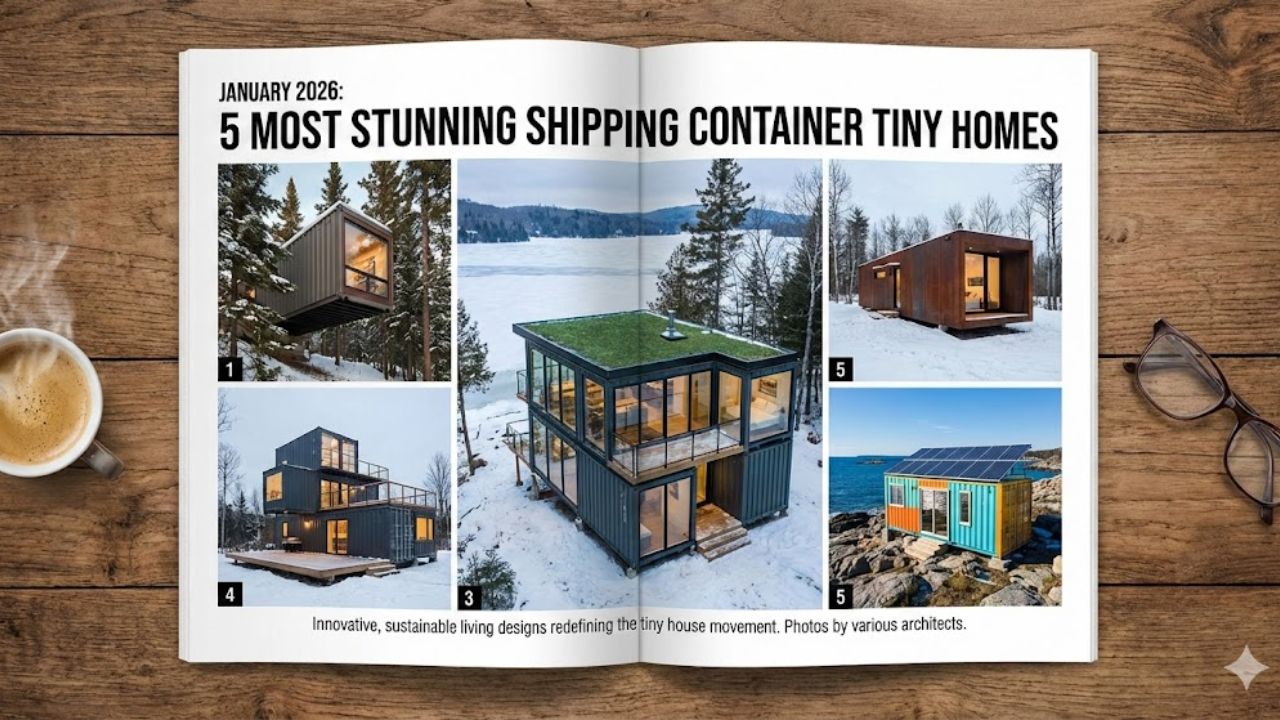
The dawn of 2026 has brought a fresh wave of innovation to the world of alternative housing, and shipping container homes are leading the charge. No longer just rugged metal boxes, these structures have evolved into sophisticated architectural marvels that blend sustainability with high-end design. As we kick off the new year, manufacturers are pushing the boundaries of what is possible within a corrugated steel frame, offering layouts that feel surprisingly spacious and finishes that rival luxury condos.
Whether you are looking for a backyard guest suite, an off-grid cabin, or a full-time family residence, the options available this January are more impressive than ever. We have curated a list of the five most stunning models making waves this month, selected for their aesthetic appeal, clever use of space, and build quality.
The Double Duo by Custom Container Living
If you have ever felt that a single shipping container is just too claustrophobic, the Double Duo is the perfect antidote. This model creates a genuine home environment by joining two 40-foot High Cube containers side-by-side. The result is a expansive 640-square-foot floor plan that eliminates the “tunnel effect” common in narrower builds.
What makes this home truly stunning is its layout flexibility. It features a spacious living area that flows effortlessly into a full-sized kitchen, complete with standard appliances and an island. The design allows for two distinct bedrooms and two bathrooms, a rarity in the tiny home world. The exterior can be clad in cedar or modern siding, completely masking its industrial origins and giving it the look of a traditional stick-built bungalow.
The Joshua by Bob’s Containers
For those who want a blend of industrial chic and modern luxury, The Joshua model remains a standout choice in early 2026. Famous for its appearances on streaming design shows, this 40-foot container home embraces its metal roots while elevating them with high-end finishes. The exterior often features a stark, stylish black or navy paint job that contrasts beautifully with natural wood accents.
The interior is where The Joshua really shines. It maximizes every inch of its 320 square feet with a dedicated bedroom, a functional bathroom, and a galley kitchen that feels surprisingly open. The real showstopper, however, is the optional rooftop deck. Accessed by a spiral staircase, this addition doubles your living space and offers a stunning perch for morning coffee or evening stargazing, effectively expanding the home’s footprint without taking up more land.
The HO4+ by Honomobo
When it comes to pure architectural beauty, Honomobo is in a league of its own, and their HO4+ model continues to dominate the luxury market this January. This is not a DIY-style cabin; it is a precision-engineered residence. Built from four shipping containers, it offers a sprawling layout that feels nothing like a tiny house.
The defining feature of the HO4+ is its floor-to-ceiling glass wall. The entire front facade is essentially a window, flooding the interior with natural light and blurring the lines between indoor and outdoor living. It is designed to sit on a permanent foundation, often over a garage, making it an incredible choice for a carriage house or a primary residence in scenic locations. The modern, minimalist interior finishes—think quartz countertops and sleek cabinetry—make it feel like a high-end city apartment dropped into nature.
The Tiny Birdy by Atelier Bois d’ici
Moving away from the massive multi-container builds, the Tiny Birdy offers a stunning example of what can be achieved in a smaller footprint with European design sensibilities. This 20-foot home, which has gained traction in design circles this month, is a masterclass in bohemian charm and cozy efficiency.
Unlike the sleek industrial look of American models, the Tiny Birdy often features warm timber cladding and a playful, colorful interior that feels lived-in and organic. It uses a “cabin on wheels” approach, making it highly mobile. The interior is a burst of personality, utilizing every nook for storage without feeling cluttered. It proves that “stunning” doesn’t always mean “luxury minimalist”—sometimes it means warm, artistic, and deeply personal.
The Kennedy by Backcountry Containers
Rounding out our list is The Kennedy, a model that perfectly captures the rustic-luxury aesthetic. Backcountry Containers has designed this home for those who want a rugged retreat that doesn’t skimp on comfort. It is built from a 40-foot container but often includes a secondary 20-foot container arranged in an L-shape or T-shape, depending on the specific configuration chosen.
The Kennedy is stunning because of its seamless integration of outdoor spaces. It typically features a massive covered deck area that serves as an outdoor living room, protected from the elements. Inside, the decor leans towards a modern farmhouse vibe, with shiplap walls, barn doors, and butcher block countertops. It is the ideal setup for a hunting cabin or a weekend getaway spot where the focus is on connecting with the outdoors in style.
Comparison of Top 2026 Models
To help you visualize how these homes stack up against each other, here is a quick data comparison based on their standard configurations.
Summary
As we move deeper into 2026, the diversity in shipping container architecture is truly impressive. Whether you prefer the glass-walled elegance of the Honomobo, the family-friendly spaciousness of the Double Duo, or the mobile charm of the Tiny Birdy, there is a design to match almost any lifestyle. These homes prove that downsizing does not mean downgrading; in fact, it often means upgrading to a home that is more thoughtful, efficient, and uniquely yours.
FAQs
Q1. Do shipping container homes rust over time?
Yes, they can if not treated properly. However, most reputable builders use Corten steel (weathering steel) and high-quality rust-proof paints or cladding to ensure the home lasts for decades, similar to a traditional house.
Q2. Is it difficult to get a permit for a container home in 2026?
It depends heavily on your location. While many municipalities have updated their zoning laws to accept container homes, rural areas are generally easier to permit than strict suburban neighborhoods or city centers.
Q3. How is the insulation in these homes?
Modern container homes use closed-cell spray foam insulation. This is highly effective, creating a moisture barrier and keeping the home warm in winter and cool in summer, often outperforming traditional fiberglass insulation.
Disclaimer
The content is intended for informational purposes only. you can check the officially sources our aim is to provide accurate information to all users.


